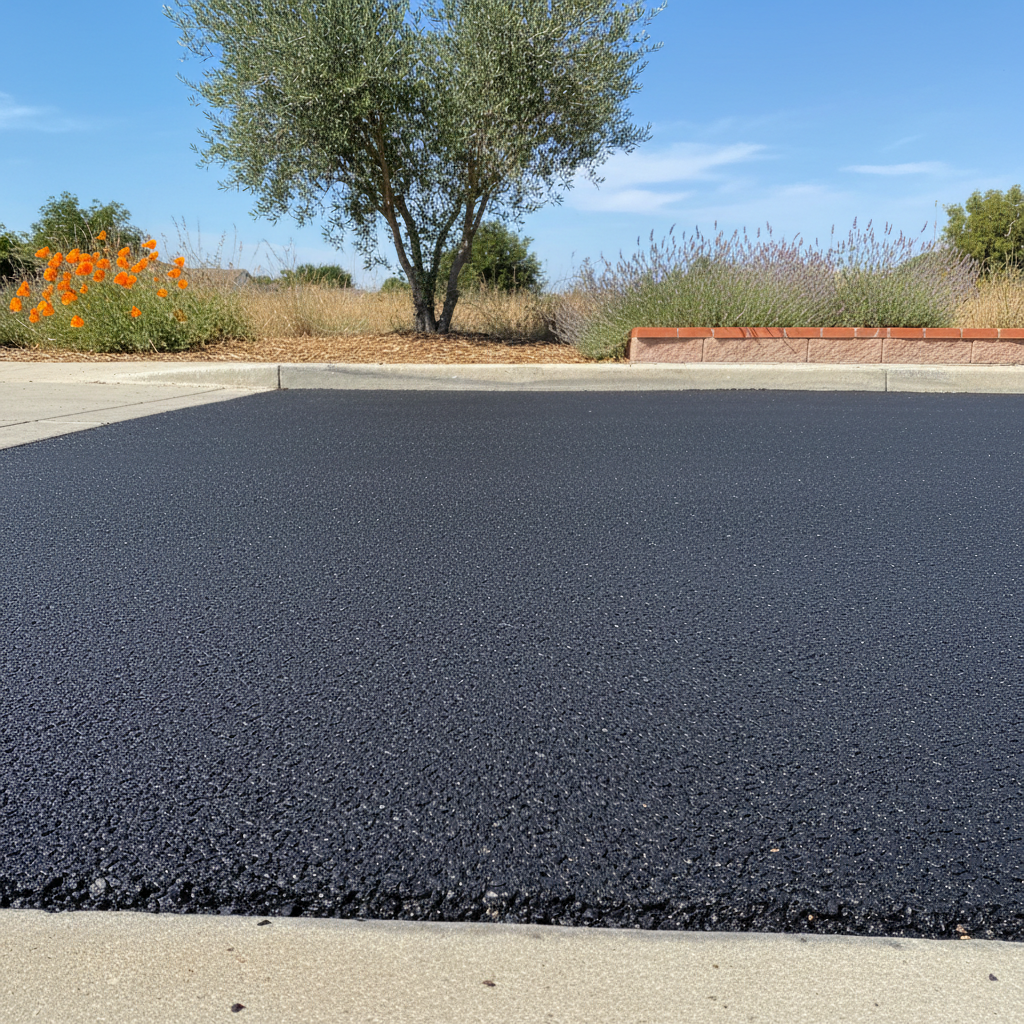
Getting ready for a new driveway or major paving project around your Fresno home requires careful consideration. Between the punishing Central Valley heat and the heavy clay soils found from Old Fig Garden out to Clovis, Asphalt Installation requires careful planning. Homeowners trying to figure out what they can complete themselves and what requires heavy equipment must evaluate the scope of the work before starting.
Before the First Truck Arrives: Preparation and Planning
Homeowners often want to jump straight to choosing a contractor, but prep work starts long before anyone shows up with a shovel. Property drainage must be evaluated first. Fresno experiences heavy downpours during the winter, and if water pools against your foundation or across your prospective driveway, your new pavement will not last. Homeowners should observe where water flows during a heavy storm.
Property owners can complete several tasks themselves to save money on the project:
- Clear out landscaping, bushes, and border bricks along the edge of the work zone.
- Mark any underground sprinkler lines or low-voltage lighting cables so heavy gear does not crush them.
- Notify your neighbors if street access is going to be blocked by equipment.
- Arrange alternative parking for your own vehicles if your driveway will be out of commission.
Sub-base engineering is not a task for DIY attempts. Grading and compacting crushed aggregate to handle local soil movement takes industrial rollers and a trained eye. Charis Asphalt Solutions spends half the time on a residential job getting that base rock right because a weak foundation guarantees cracking later.
During the Project: What Happens on Paving Day
When paving day arrives, operations move fast. Hot mix asphalt arrives in dump trucks straight from the plant, and the material is usually sitting around 300 degrees. The crew lays it down using a paving machine or by hand in tighter residential spots, followed immediately by heavy steel-wheeled rollers to achieve proper compaction.
Your main job during this phase is staying out of the way and keeping kids and pets safely indoors. Make sure your sprinklers are turned off for the day because you do not want water hitting the hot mat or softening the subgrade while the crew is trying to work.
Homeowners also need to watch the weather. While clear skies are common for most of the year in Fresno, a sudden high-wind day can cool the surface too fast and mess with the compaction density. Trust your contractor if they need to shift the schedule by a day to catch better conditions.
After the Paving Crew Leaves: Curing and Upkeep
The trucks are gone, your new driveway looks dark and smooth, and property owners often wonder when they can drive on it. This stage requires patience. Fresh asphalt needs time to cool down completely and cure. Keep foot traffic off it for the first day, and leave vehicles parked on the street for 3 to 5 days or longer if the work happens during a brutal triple-digit week in the middle of summer.
Once the asphalt has fully settled in over the first few months, routine upkeep becomes the responsibility of the homeowner. Do not rush out to sealcoat it immediately; let it weather for 6 to 12 months so the natural oils can escape. After that initial cure period, keeping up with minor crack sealing and a periodic seal coat will keep your pavement looking sharp and prevent moisture from getting into the base.
If you ever notice a soft spot or a dip forming near the edge where irrigation runoff hits it, do not wait for it to turn into a full pothole. Addressing minor issues early saves you from a massive repair bill down the road. Charis Asphalt Solutions provides Asphalt Installation services for homes in Fresno, CA.