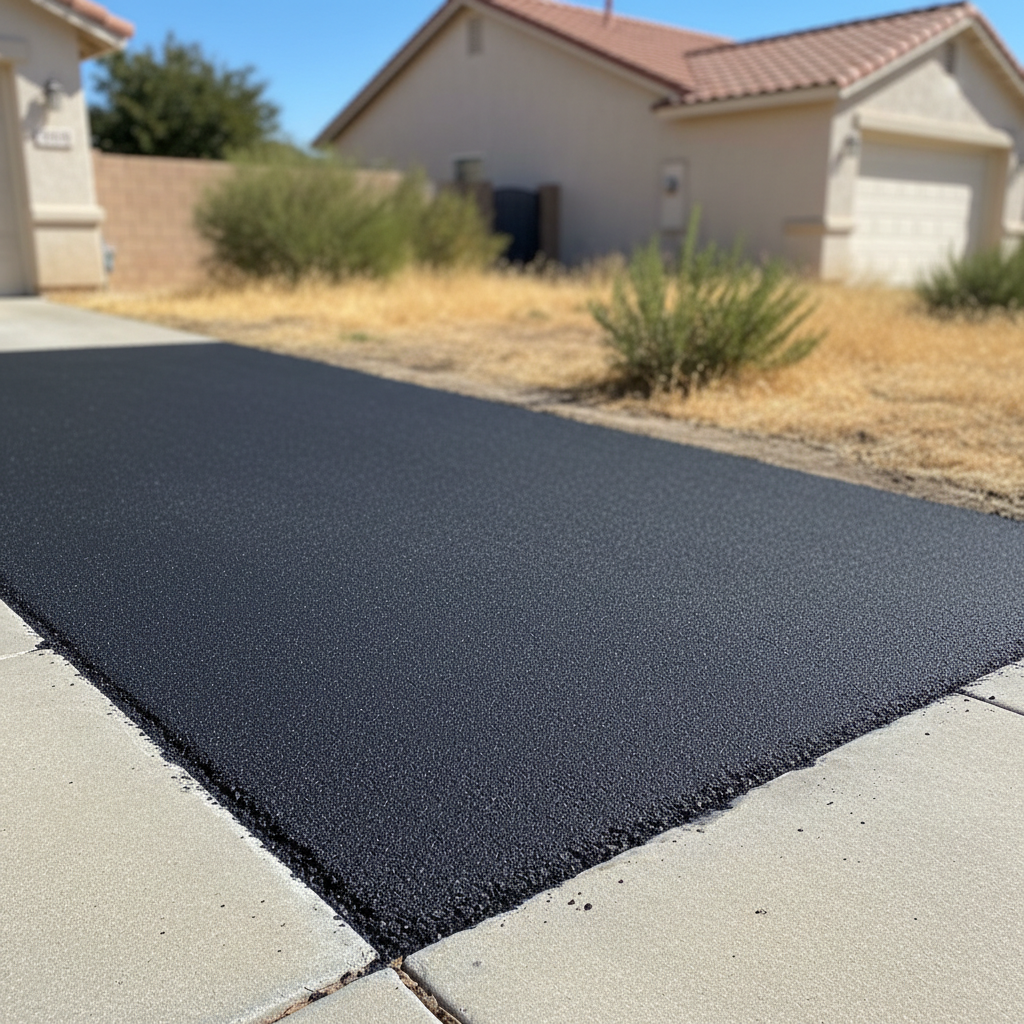
Is patching a permanent fix for my asphalt?
Let's be straight up: no, patching isn't usually a permanent fix. Think of it like a band-aid, really. It stops the bleeding, covers the wound, and keeps things from getting worse, but it doesn't make the underlying problem disappear. What it does do, though, is significantly extend your pavement's life and prevent small issues from turning into big, expensive ones. If you've got a little pothole or a crack that's just starting to spiderweb, a good patch can keep water out, stop further damage, and buy you years before you need a full overlay or replacement. But if your entire driveway looks like a jigsaw puzzle, you're probably past the point where patching alone will cut it long-term.
What's the difference between cold patch and hot patch, and which one should I use?
This is a big one, and it's where a lot of folks get confused. Cold patch is the stuff you can buy in a bag at the hardware store. It's meant for quick, temporary fixes, usually for small potholes. You can just dump it in, tamp it down, and it'll hold for a while. It's okay for an emergency or if you're just trying to get through the winter. But it's not a professional solution. It doesn't bond well with the existing asphalt, and it'll break down faster, especially with our hot Fresno summers and the constant expansion and contraction.
Hot patch, on the other hand, is what professional contractors like Charis Asphalt Solutions use. It's hot mix asphalt – the same stuff we use for new paving, just applied to a smaller area. We heat it up, cut out the damaged section, clean it thoroughly, apply a tack coat for adhesion, and then lay down and compact the hot mix. This creates a much stronger, more durable bond with your existing pavement. Frankly, it's the only way to get a patch that will actually last and blend in reasonably well.
How long does an asphalt patch typically last in Fresno's climate?
How long a patch lasts really depends on a few things: the quality of the repair, how much traffic it gets, and the underlying condition of your pavement. With a proper hot patch done by experienced pros, you can expect it to hold up for several years, sometimes even five to ten, especially if the base underneath is still solid. But our climate here in Fresno is tough on asphalt. The intense heat in July and August can cause a lot of thermal expansion, and then the cooler nights and occasional heavy rains in winter really stress it. If water gets under the patch or the base is failing, even the best patch won't last as long. Regular sealcoating can also help protect patches and extend their life.
Can I patch over existing cracks, or do they need to be cut out?
You can't just slap a patch over a crack and expect it to work. That's like putting a band-aid on a broken bone. For smaller, hairline cracks, we'll often clean them out and fill them with a specialized crack sealant. This keeps water out, which is the number one enemy of asphalt, hands down. But for larger, alligator cracking or potholes, you absolutely need to cut out the damaged section. We'll saw-cut a clean, square or rectangular shape around the problem area, remove all the loose debris and deteriorated asphalt, and then prepare the base before applying new hot mix. This ensures a strong, stable repair that won't just fail again in a few months.
What causes potholes and cracks in asphalt driveways and parking lots?
Most of the time, it comes down to water and movement. Water gets into tiny cracks, seeps down to the base layer, and weakens it. Then, when vehicles drive over it, the weakened asphalt can't support the weight, and it flexes and breaks, creating a pothole. Here in Fresno, our clay soils can also be a factor. If the subgrade wasn't properly compacted or if there's poor drainage, the ground can shift and settle, leading to cracks and pavement failure. Heavy vehicles, tree roots, and even just the sun's UV rays breaking down the asphalt binder over time all contribute to the problem. It's usually a combination of these things that leads to needing a patch.
When is it too late for patching, and I need a full replacement?
That's the million-dollar question, isn't it? If more than 25-30% of your asphalt surface is covered in significant cracks, potholes, or areas of distress, you're probably looking at a full overlay or even a complete replacement. If the base layer is completely shot, and your pavement is sinking or heaving in multiple spots, patching is just throwing good money after bad. We see this sometimes in older industrial parks or even some of the older residential areas around Tower District where the original pavement is just past its prime. A good contractor will tell you honestly if patching is a viable, cost-effective solution or if it's time to consider a more comprehensive repair. We'll always give you the straight scoop.
How can I get the most out of my asphalt patches?
Once you've had patches done, the best thing you can do is keep up with maintenance. That means regular sealcoating every 2-3 years. Sealcoat protects the asphalt from UV rays, water, and oil spills, which are all big enemies of pavement. It also fills in tiny hairline cracks before they become bigger problems. Make sure your drainage is good too. Don't let water pool on your driveway or parking lot. And try to keep heavy vehicles off areas that weren't designed for them. A little preventative care goes a long way in making those patches, and your entire asphalt surface, last as long as possible.