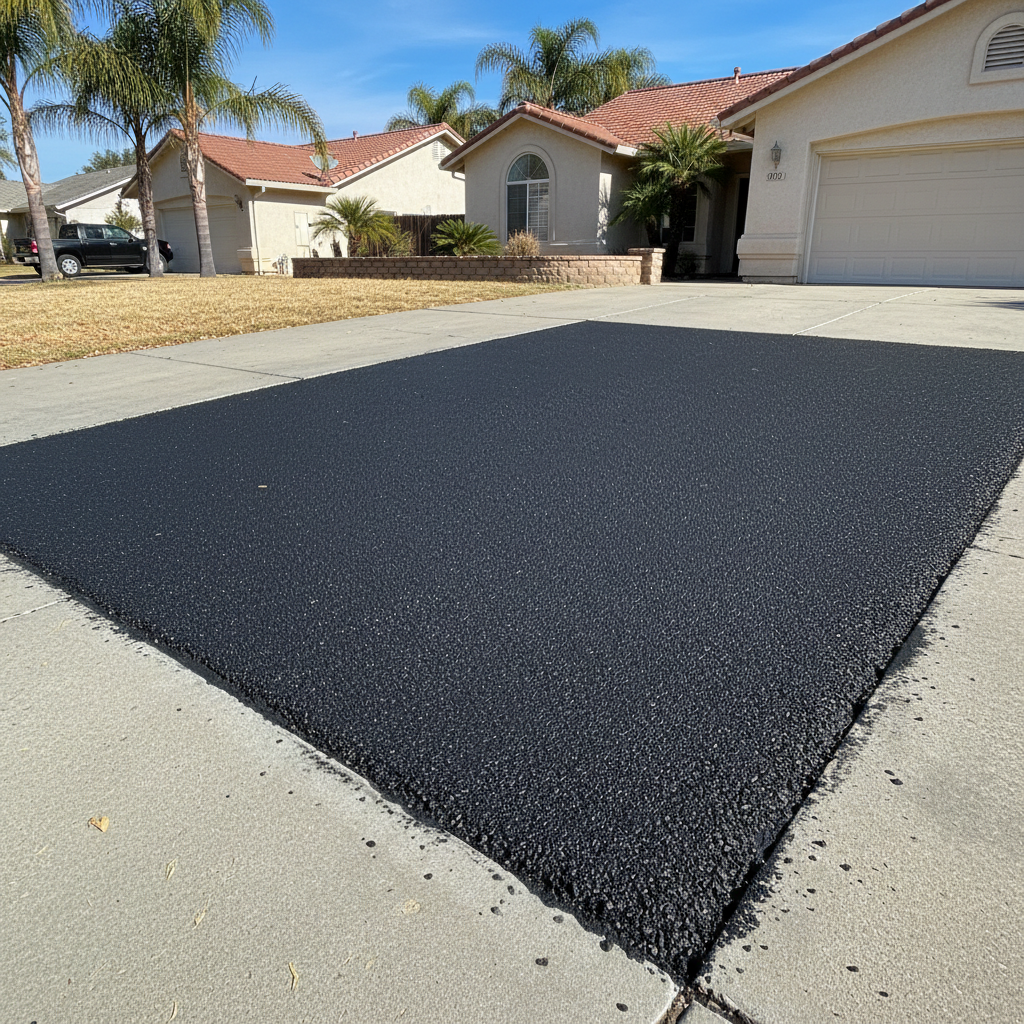
Asphalt Patching Costs in Fresno: What You'll Pay & Why
You've got a pothole, or maybe a cracked section of asphalt, that definitely needs fixing. Perhaps it's in your business parking lot, or maybe a shared access road. Whatever the spot, you know it won't just disappear on its own, and you're probably wondering what it'll cost to get it done right here in Fresno.
Look, I get it. Nobody *wants* to spend money on repairs, but ignoring asphalt damage? That just makes things worse, and way more expensive, further down the line. So, let's talk some real numbers and what actually goes into pricing asphalt patching jobs around here.
What Really Drives Patching Prices?
When I'm out giving a quote, there are a few key things I always look at that directly impact the final price. It's not just about how big the hole is, believe me.
- Size and Depth of the Patch: This one's pretty obvious, right? A small, shallow patch will naturally be cheaper than a large, deep one. But it's not just square footage; depth matters a lot because it tells us how much material we'll need and how much digging we have to do.
- Type of Patching Method: There isn't just one way to patch asphalt; some methods are simply more involved than others.
- Skin Patching (Surface Patch): This is the quickest, cheapest fix available. We clean the area, put down a tack coat (that's like glue for asphalt), and then lay a thin layer of new asphalt right over the damaged spot. It's really more of a temporary solution, good for minor surface cracks or very shallow depressions. Think of it like a band-aid, honestly.
- Saw-Cut and Remove (Full-Depth Patch): Now this? This is the gold standard for repairs that actually last. We saw-cut around the damaged area, pull out all the old, compromised asphalt—and often some of the base material underneath—then we prepare the sub-base, apply a tack coat, and finally lay down fresh hot asphalt. This is exactly what you want for potholes, alligator cracking, or any areas with significant structural failure. It costs more upfront, sure, but it saves you a ton of headaches later.
- Infrared Patching: This method uses infrared heat to soften the existing asphalt. That lets us rake it, add new material, and then re-compact everything. We often use it for seamless repairs, and it can be super effective for certain kinds of damage, especially when it's colder out and hot mix isn't as available. Cost-wise, it usually falls somewhere between skin patching and full-depth work.
- Accessibility of the Area: Is it easy for my crew and equipment to get right to the spot? Or do we have to maneuver around tight corners, heavy traffic, or other obstacles? If we need to set up traffic control or bring in special equipment to reach the area, well, that definitely adds to the cost.
- Condition of the Sub-base: This is a big one. If the problem isn't just the asphalt surface but the gravel base underneath has failed—maybe because of poor drainage or our clay-heavy Fresno soil expanding and contracting—then we absolutely have to fix that too. Repairing or replacing the sub-base means significant extra labor and material costs.
- Material Costs: Asphalt prices tend to go up and down with oil prices, so what I paid for mix last month might be different this month. Hauling costs for both materials and the debris we remove also play a role.
- Time of Year: Believe it or not, the time of year can actually affect pricing. During our peak season (usually spring and fall around here), crews are busier, and demand for materials is higher. Sometimes, doing work in the dead of summer when it's 105 degrees means a little extra for the crew's effort and to make sure the material stays workable.
Typical Cost Ranges for Asphalt Patching in Fresno
Okay, let's get down to some actual numbers. Just keep in mind these are averages, and your specific job could be higher or lower depending on all those factors I just mentioned.
- Small Skin Patch (e.g., 10-20 sq ft, shallow): You might be looking at $150 - $400. This is strictly for quick, minor fixes.
- Medium Full-Depth Patch (e.g., 50-100 sq ft, 2-4 inches deep): For a solid, lasting repair of a decent-sized pothole or section, expect to pay anywhere from $500 - $1,500. Most commercial parking lot repairs fall right into this range.
- Larger or Multiple Full-Depth Patches (e.g., 200+ sq ft, deeper, or multiple areas): For bigger jobs, especially if they involve sub-base repair, you could be looking at $1,500 - $5,000+. Sometimes, if you have a lot of smaller patches spread out, it might actually be more cost-effective to do them all at once to save on mobilization costs.
On a per-square-foot basis for full-depth patching, you're generally looking at $8 - $20 per square foot. Smaller jobs usually hit the higher end of that range per square foot because of those fixed costs like getting our crew and equipment to your site. Larger jobs just get more efficient, that's how it works.
What Should a Quote Include?
When Charis Asphalt Solutions gives you a quote—or any reputable contractor, for that matter—you should expect it to be pretty detailed. It's not just a number scribbled on a napkin.
- Specific Scope of Work: Exactly what areas are getting patched, the dimensions, and which patching method (skin, full-depth, infrared) will be used.
- Materials Used: It should clearly state hot mix asphalt, tack coat, and any base materials.
- Preparation Steps: Cleaning, saw-cutting, excavation, sub-base compaction.
- Cleanup and Disposal: Confirmation that all debris will be removed from your property.
- Timeline: An estimated start and completion date.
- Warranty: What kind of guarantee do they offer on their work?
- Total Cost: A clear, all-inclusive price.
How to Avoid Overpaying for Asphalt Patching
Nobody likes feeling ripped off, right? Here's how you can protect your wallet and make sure you're getting quality work:
- Get Multiple Quotes: This is standard practice for a reason. Get at least three detailed bids from different contractors. It helps you compare not just the price, but also the proposed scope of work and materials.
- Ask for References and Check Reviews: A good contractor will have plenty of happy customers. Check their online reviews and don't hesitate to ask for local references you can actually call.
- Understand the Scope: Make sure every quote you get is for the same scope of work. If one quote is significantly lower, they might be suggesting a less durable solution (like skin patching instead of full-depth) or cutting corners somewhere. Ask questions until you completely understand what you're paying for.
- Don't Always Go for the Absolute Lowest Bid: The cheapest option isn't always the best, especially when it comes to asphalt. A shoddy patch job will fail quickly, costing you more in the long run. You want value, which means a fair price for quality work that lasts.
- Look for Local Experience: Contractors who really know Fresno's specific climate challenges—like our intense summer heat or those clay soils that can cause movement—are going to give you a better, more durable solution. They understand how these local factors truly affect asphalt performance.
Patching asphalt isn't the most exciting expense, no argument there, but doing it right saves you money and headaches down the road. Take your time, ask the right questions, and choose a contractor who gives you confidence. You'll definitely be glad you did.