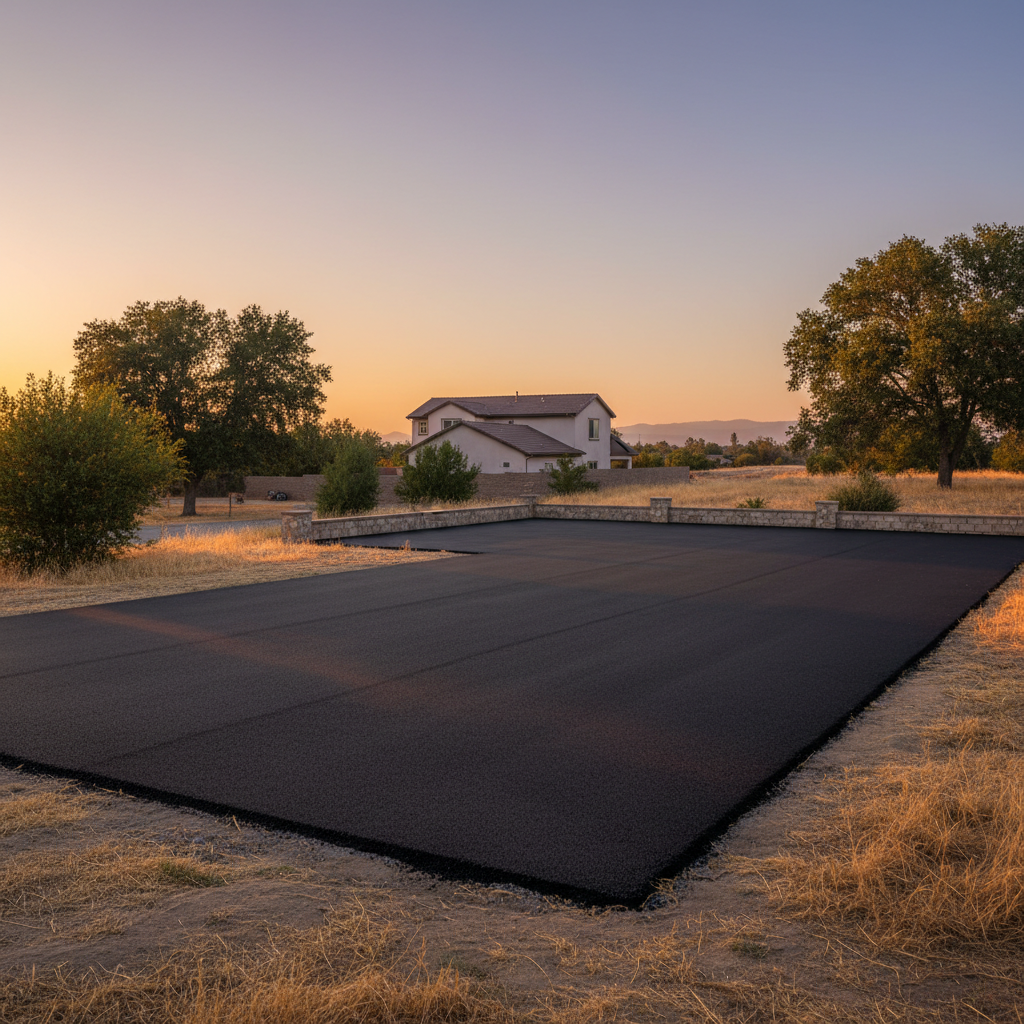
When's the best time to get your commercial asphalt work done here in Fresno? That's a question I get a lot, and it makes sense. Our Central Valley climate, with those scorching summers and surprisingly chilly, wet winters, really puts a strain on parking lots and access roads.
Understanding Fresno's Weather & Your Asphalt
You've definitely seen it. That intense summer sun beating down, then the heavy rains we get in winter, sometimes even a frost or two. This constant cycle of expansion and contraction, plus water seeping into cracks, is what really breaks down asphalt over time. It's not just about the heat, though that's a huge part of it. It's the extremes, plain and simple.
Think about a typical parking lot in, say, the Tower District. It's getting heavy use, constant sun exposure, and then those winter storms hit. If that asphalt isn't properly maintained or installed at the right time, you're looking at premature cracking, potholes, and a generally worn-out appearance much faster than you should be. Nobody wants that.
The Best Time to Schedule Asphalt Work
For most major asphalt projects – things like paving, overlays, or extensive repairs – you're looking for moderate temperatures. That means spring and fall are usually your best bets here in Fresno. Why, you ask?
- Spring (March to May): The ground isn't frozen, and the extreme summer heat hasn't kicked in yet. You get consistent temperatures, which is just right for the asphalt to cure properly. It's warm enough for the materials to be pliable and bond well, but not so hot that it dries too fast or becomes unworkable.
- Fall (September to November): Similar to spring, the intense summer heat has passed, but we haven't usually seen significant rainfall or cold snaps yet. This gives the asphalt plenty of time to settle and harden before the winter rains arrive.
Now, can you do work in the summer? Sure, but it's tougher. The heat means the asphalt cures super fast, which can sometimes lead to issues if the crew isn't quick and experienced. Plus, it's just plain brutal working out there when it's 105 degrees. Winter? That's usually a no-go for major paving. You need dry conditions and temperatures above 50 degrees for proper compaction and curing. Trying to pave in the middle of a December rainstorm is just asking for trouble, honestly.
What About Sealcoating and Minor Repairs?
Sealcoating is a bit more flexible, but it still needs dry weather and specific temperatures. You're generally looking for temperatures above 50 degrees and no rain in the forecast for at least 24-48 hours after application. Again, spring and fall are prime. You can sometimes sneak it in during cooler summer days or early winter if we get a dry spell, but you're playing with fire.
Minor crack filling can often be done year-round, as long as the cracks are dry and the temperatures aren't extreme. But if you're doing extensive crack repair, you'll still want those moderate, dry conditions to ensure the filler sticks correctly and lasts.
Protecting Your Investment Year-Round
Once you've got that fresh asphalt, or even if your lot is a few years old, you want to protect it. Here's what I tell my clients:
- Regular Inspections: Walk your lot once a month. Look for new cracks, potholes, or areas where water is pooling. Catching these early saves you a ton of money down the road.
- Cleanliness: Keep it clean. Debris, oil spills, and chemicals can break down asphalt. A good sweep and occasional washing goes a long way.
- Sealcoating: This is your asphalt's sunscreen and raincoat. A good sealcoat every 2-3 years, depending on traffic and wear, protects against UV rays, water penetration, and oxidation. It's a small investment that significantly extends the life of your pavement. Here at Charis Asphalt Solutions, we emphasize this for good reason.
- Prompt Repairs: Don't let a small crack turn into a pothole. Water gets in, freezes (if it gets cold enough), expands, and boom – you've got a much bigger problem. Fill those cracks and patch those potholes as soon as you see them.
- Proper Drainage: Make sure your drainage systems are clear and working. Water is asphalt's worst enemy. If water is sitting on your pavement, it's going to cause issues.
Taking a proactive approach to your commercial asphalt maintenance isn't just about how it looks; it's about protecting your business's curb appeal, safety, and ultimately, your bottom line. Plan your work around our local weather, and you'll get the most out of your investment.