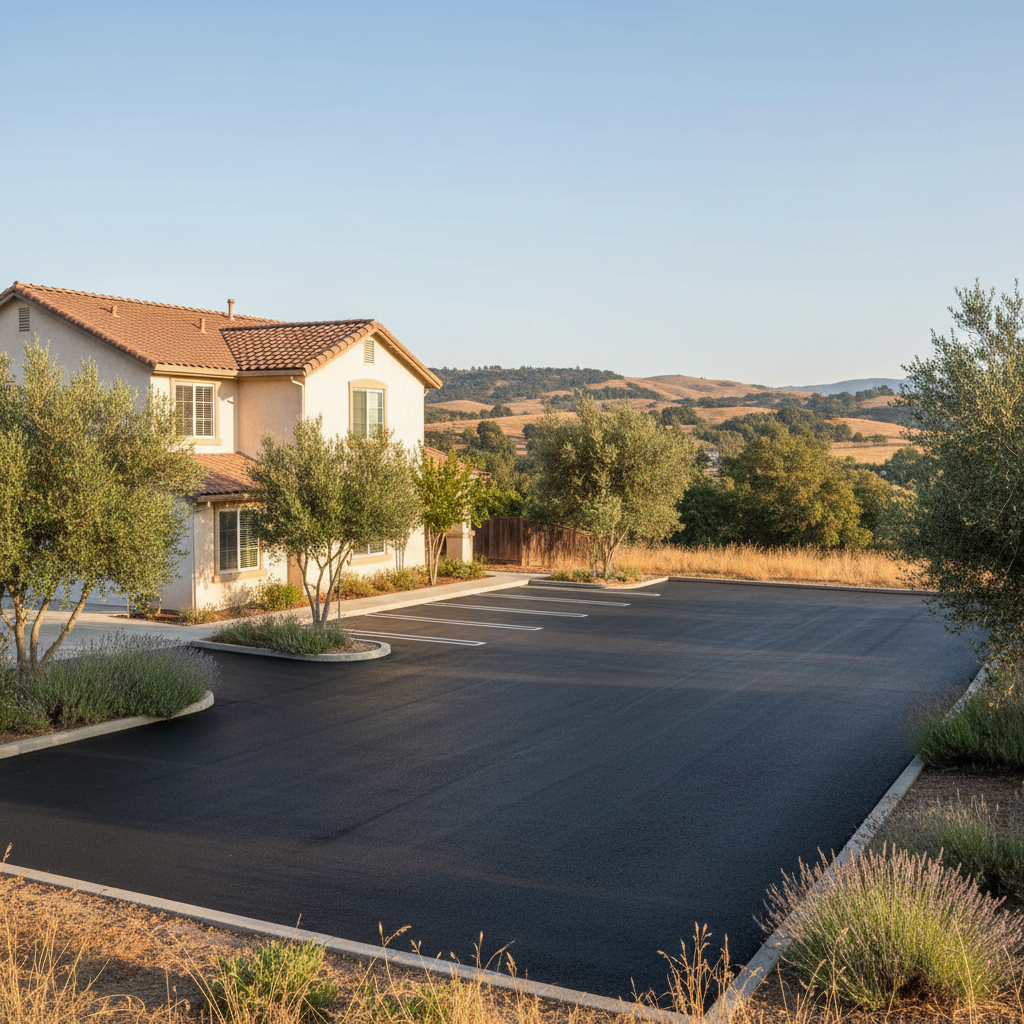
When's the Best Time to Pave a Parking Lot in Fresno?
So, you've got a parking lot that needs some attention, maybe a full repave or a big overlay. The first question I always hear is, "When can you guys get it done?" And my answer usually starts with, "Well, it depends on the weather, but here in Fresno, we actually have some pretty clear windows."
For major paving jobs, like laying down a brand-new layer of asphalt or even a full dig-out and replace, you really want stable, warm, and dry conditions. That means our sweet spot typically runs from late spring through early fall. Think April, May, June, and then September, October. During these months, we usually get consistent daytime temperatures — perfect for asphalt to be laid, compacted, and cure correctly. The ground needs to be warm enough, and the air temperature should ideally be above 50 degrees Fahrenheit, even better if it's closer to 70-90 degrees, for the best results possible.
Why does that even matter? When asphalt is hot, it's flexible. It compacts much better, creating a denser, more durable surface. If it's too cold, the asphalt cools off too quickly, making it tough to get proper compaction. This can lead to a less dense, more brittle surface that's prone to cracking and falling apart way faster. Nobody wants to pay for the same job twice, right?
What Our Fresno Weather Means for Your Asphalt
Our climate here in the Central Valley is a bit of a mixed bag for asphalt. We get those long, hot summers, which are great for paving, sure, but they also put a ton of stress on your existing pavement. Then we swing into mild, wet winters, which can really expose any weaknesses that popped up during the summer.
Summer Heat: Those 100+ degree days we see from June through August? They make asphalt expand. Then at night, it cools and shrinks. This constant movement, day in and day out, causes stress. If you've got cracks, they'll open up wider. If there are weak spots, they'll definitely start to show.
Winter Rains: Once those cracks open, the winter rains are just waiting to get inside. Water is asphalt's absolute worst enemy. It seeps into those cracks, gets underneath the pavement, and starts eroding the base layer. If that water freezes (which happens sometimes on those really cold Fresno mornings, especially in areas like the Fig Garden Loop where drainage might be tricky), it expands, pushing the asphalt up and creating potholes. That's what we call the freeze-thaw cycle, and it's brutal on pavement.
Dust and Dirt: We also deal with a lot of dust and agricultural runoff around here. This stuff can settle on your parking lot, and when it rains, it turns into a gritty paste that can speed up wear and tear, especially if your lot isn't properly sealed.
So, scheduling your major paving work for those warmer, drier months means you're giving your new pavement the absolute best start to stand up against these local challenges.
Protecting Your Investment Year-Round
Getting a new parking lot or a major overlay done by Charis Asphalt Solutions is a big investment, no doubt. You want it to last. Here's how you protect it, no matter the season:
Sealcoating: This is your first line of defense. A good sealcoat acts like sunscreen and a raincoat for your asphalt. It protects against UV rays, stops water from getting in, and gives the surface a fresh, black look. I usually recommend sealcoating every 2-3 years, depending on traffic and how much sun it gets.
Crack Sealing: Don't wait for cracks to turn into potholes. As soon as you spot a crack, get it sealed. This is super critical before winter. Sealing cracks keeps water out of your base layer, preventing much more expensive repairs later on. It's a small investment that pays huge dividends, really.
Regular Cleaning: Keep your parking lot clear of debris, oil spills, and dirt. Oil and gas can break down asphalt over time. Regular sweeping and quick cleanup of spills will definitely extend its life.
Proper Drainage: Make sure your drainage system is actually working. If water is pooling anywhere on your lot, that's a problem waiting to happen. Standing water will soften the asphalt and eventually lead to potholes and structural failure. Sometimes it's as simple as clearing a drain; other times, it might mean adjusting a low spot.
Don't Overload It: If your parking lot wasn't designed for heavy trucks, don't let heavy trucks park there regularly. Overloading causes stress and can lead to alligator cracking and early failure.
Look, I've been doing this a long time here in Fresno. I've seen what works and what absolutely doesn't. Paving isn't just about throwing down some black stuff; it's about understanding the science behind it and knowing how our specific climate impacts the material. If you're thinking about your parking lot, give us a call. We can walk through your property, check out its condition, and give you an honest opinion on the best way to move forward, keeping our Fresno seasons in mind.